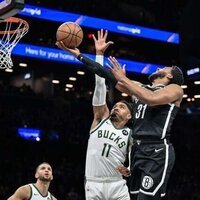



MADISON, Wis. (CN) - Wisconsin Governor Tony Evers signed a bill on Thursday to legalize online sports betting, but only if it's run by Native American tribes.
"I have heard from each of the 11 affected tribes that this bill offers an opportunity for their governments and for their people to improve the quality of life, health and stability of their communities ... but I am not without reservations about signing this bill," Evers said in a message accompanying his signature.
The new law legalizes online event and sports betting in the state, so long as the server or device used to conduct the wager is constructed on tribal land and aligned with tribal gaming compacts. It does so by adding an exception to the legal definition of "bet" to allow for digital bets made within the borders of Wisconsin.
Tribal nations can now take next steps toward negotiating with each other, with the state and with betting platforms to create a plan that benefits all 11 federally recognized tribes equally.
However, the Sports Betting Alliance - comprised of FanDuel, DraftKings, Bet365 and BetMGM - argues that any partnership will be impossible because federal law requires 60% of gaming revenues to be shared with tribes. In Arkansas and Florida, both of which require more than 50% of operator revenue go to tribes, alliance members do not operate.
Wisconsin's tribal nations have the exclusive license to operate 22 casinos in the state, but were previously limited to in-person wagering. Proponents of the bill say the law will strengthen tribal economies and sovereignty while ensuring gambling revenue stays in the state. Casinos are required to cut the government in on profits in exchange for oversight and regulation of the industry.
"This is about keeping Wisconsin competitive and protecting consumers," Representative Tyler August said in testimony to the state Assembly. "People are already betting online through offshore or illegal sites and hundreds of millions of dollars a year are leaving our state with zero regulation and no benefit to Wisconsin."
Representative Edward Mullen of the Ho-Chunk Nation Legislature also testified in favor of the bill, highlighting the need for an increase in revenue to meet the growing need of his community spread out throughout the state.
The Ho-Chunk Nation sued Kalshi in August 2025 claiming the prediction market, which allows users to trade on everything from sports to elections, allows illegal betting. The lawsuit is still pending in federal court, but the Second Circuit recently blocked states from regulating prediction markets in a separate case.
Opponents of the law would prefer to see a constitutional amendment legalizing online sports betting.
"If passed as is, Wisconsin adults who want to bet online on sports will not be able to use sites like DraftKings and FanDuel - chosen by the vast majority of consumers in other states," said Sports Betting Alliance attorney Damon Steward. "Instead, they will only be able to use a small number of Wisconsin specific online sportsbooks offered by the tribes themselves."
Evers' focus is squarely on the rights and protections of the 11 sovereign nations rather than out-of-state providers.
"When each of the tribal nations in Wisconsin thrive our surrounding communities and our state as a whole thrive, too," the 74-year-old Democrat said. "This bill also represents an opportunity for revenue paid into the state to support mental health programs and to combat the opioid crisis, two issues that I know plague both tribal nations and communities across our state."
Source: Courthouse News Service