

SANTA CLARA, California: Nvidia CEO Jensen Huang said the artificial intelligence boom is entering a new phase driven by "inference," predicting a surge in demand that could leave the company with a US$1 trillion backlog in chip orders within the next year.
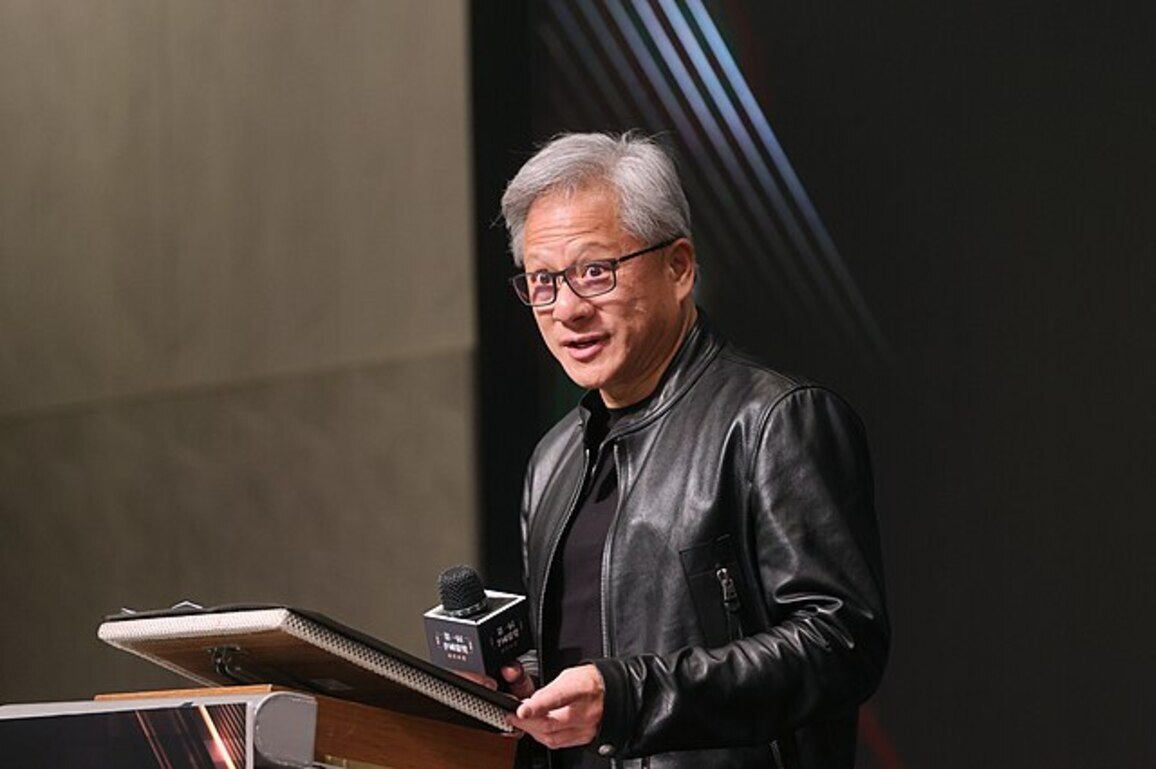
Speaking at an event in San Jose, California, Huang outlined how Nvidia plans to stay at the forefront of AI as the technology evolves beyond training large models to deploying them at scale. "We reinvented computing, just like the PC (personal computer) revolution and the internet revolution," Huang proclaimed. "We are now at the beginning of a new platform change."
Huang said Nvidia's chips, already central to building AI systems, will play a key role in the next stage, where AI models are used in real-world applications. He predicted the company could face $1 trillion in backlogged demand for its processors by the end of the year, doubling his estimate from a year ago.
Nvidia has already seen rapid growth from the AI boom, with annual revenue rising from $27 billion in 2022 to $216 billion last year. The surge helped lift the company's market value to about $4.5 trillion at its peak.
However, the company's stock has cooled after briefly crossing a $5 trillion valuation last October, as investors question whether the pace of AI growth can be sustained. "This is just a white-knuckle period for the technology industry," said Wedbush Securities analyst Dan Ives.
Even after Nvidia reported stronger-than-expected quarterly results in February, its shares remain about six percent below pre-earnings levels. Following Huang's comments on rising demand, the stock rose nearly two percent on March 16 to close at $183.22.
Analysts expect Nvidia's revenue to exceed $330 billion in the coming year, but the company is facing increasing competition. Tech giants, including Google and Meta Platforms, are developing their own AI chips, potentially reducing reliance on Nvidia's hardware.
U.S. trade and security restrictions have also limited Nvidia's ability to sell advanced chips in China, constraining growth in a key market.
Huang said Nvidia's strategy is to expand into inference computing, the stage where trained AI models generate outputs such as text, images, or code. "The inference inflection has arrived," Huang said.
To strengthen its position in this segment, Nvidia recently struck a multi-billion-dollar licensing deal with AI startup Groq, which includes hiring its top engineers.
Despite rising competition, some analysts remain bullish on Nvidia's prospects. "Nvidia isn't going to cede any market share to Google or Meta," Ives said, adding that the company's market value could surpass $6 trillion in the coming years.