

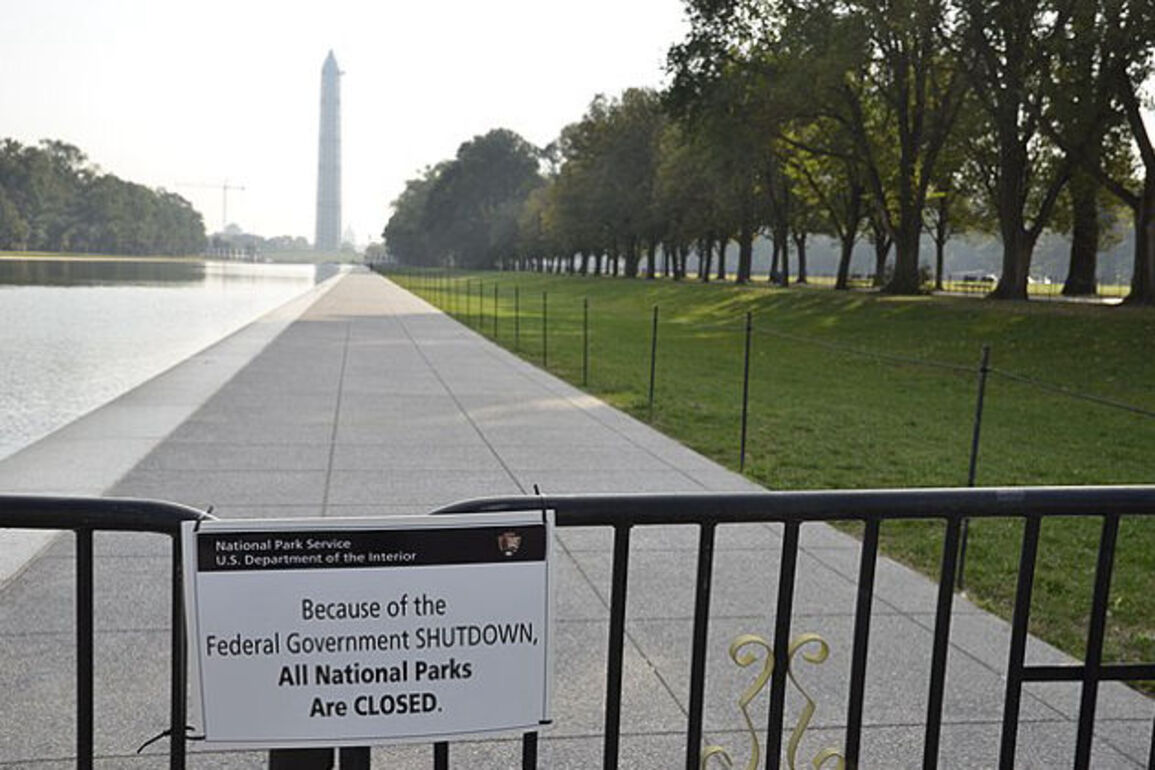
OKLAHOMA CITY, Oklahoma: As the U.S. government remained shut down on October 3, Native American communities across the country watched anxiously, preparing for disruptions to health care, education, infrastructure, and other critical services funded under treaties signed more than a century ago.
While some tribal nations — those with revenue streams from casinos, energy leases, or other enterprises — said they could operate independently for several months, others, more reliant on federal funds, had already begun furloughing workers and closing essential programs.
Many tribal leaders voiced fears that the Trump administration might use the shutdown as a pretext to eliminate or downsize federal positions tasked with upholding treaty and trust responsibilities. For generations, the U.S. government has been bound by agreements promising to safeguard the security, health, and education of tribal citizens in exchange for vast tracts of Native land.
In Nevada, the Pyramid Lake Paiute Tribe near Reno became one of the first to feel the impact. On October 1, the tribe furloughed at least 25 employees and shuttered its museum and cultural center, its higher education department, and services for Native students in local schools.
"These furloughs are necessary to ensure the continued operation of public safety, such as the police, EMS, and the food bank," Chairman Steven Wadsworth wrote in a letter to tribal members. He warned that additional closures could follow if the shutdown persisted.
Across Indian Country, concerns deepened that federal oversight of treaty rights could erode. "I'm extremely nervous about that," said Liz Carr, vice president for intergovernmental relations at the Cedar Rock Alliance, a group that helps tribes strengthen health care, self-governance, and land management policies.
Carr pointed to recent directives from President Donald Trump and former adviser Elon Musk, who urged the General Services Administration earlier this year to begin terminating leases for roughly 7,500 federal offices — including 25 regional offices of the Bureau of Indian Affairs (BIA).
During the Biden administration, Carr became the first tribal adviser to the Office of Management and Budget. She said the new administration instructed her to resign, and the role has remained vacant since. "There's a lack of understanding about trust and treaty responsibilities in that agency and at the White House," she said.
Carr fears the current administration may dismiss key tribal programs as diversity or equity initiatives that can be cut to save money. "Then they come back to dismantle those programs, and people aren't able to return to deliver those services," she said. "And the tribes have nowhere to turn."
The BIA confirmed that 15 of its regional offices, covering 38 states, have been forced to close. Tribal governments depend on these offices for approval of road projects, policing funds, and other essential services. While employees protecting life and property are exempt from furloughs, many BIA law enforcement officers are expected to work without pay until funding resumes.
The Indian Health Service (IHS), which provides medical care to Native Americans and Alaska Natives under the Department of Health and Human Services, will continue operating under contingency plans. However, hundreds of tribally run health centers and clinics that rely on federal grants face uncertainty as those funds are frozen.
The shutdown has also halted operations at agencies that serve tribal communities, including the Department of Housing and Urban Development — which oversees the Indian Housing Block Grant — and the Federal Highway Administration, which manages the Tribal Transportation Program.
Dr. Valerie Grussing, executive director of the National Association of Tribal Historic Preservation Officers, said the pause threatens not just daily operations but cultural and environmental protections. Her organization has called on the federal government to suspend projects like oil and gas development that require tribal consultation.
"Projects should only resume when agencies are fully staffed and tribes have someone to consult with," Grussing said. "Otherwise, the government is failing to uphold its legal obligations."