

INDIANAPOLIS, Indiana: Eli Lilly reported that its experimental GLP-1 pill helped overweight adults with type 2 diabetes lose an average of 10.5 percent of their body weight in a late-stage trial, bolstering confidence in the drug after earlier data in non-diabetic patients disappointed investors.
The results have lifted Lilly shares sveral percent. Analysts said the data matched expectations and cleared the way for a potential U.S. launch of the pill, called orforglipron, next year.
The once-daily pill also helped 75 percent of patients on the highest dose reduce their A1C — a long-term measure of blood sugar — to at or below 6.5 percent. That level is below the American Diabetes Association's target of under seven percent for most adults.
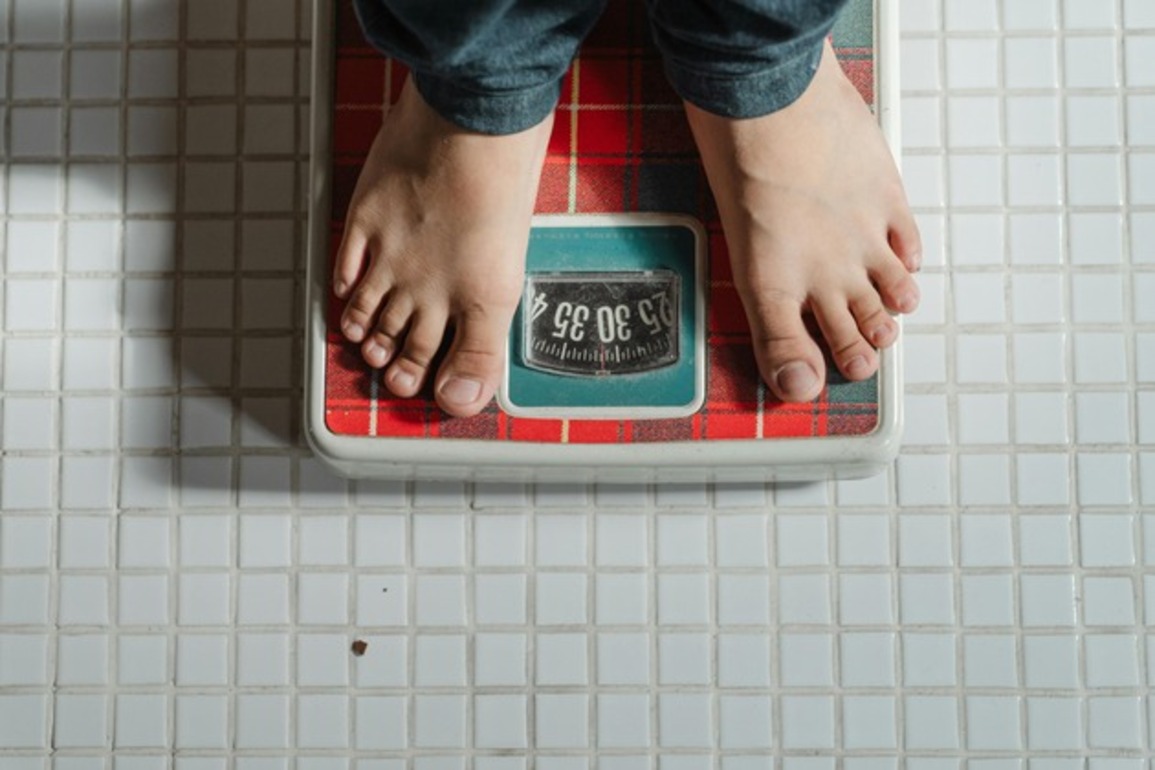
In the 72-week trial of more than 1,600 overweight or obese patients with type 2 diabetes, those taking the top 36 mg dose of orforglipron lost an average of 23 pounds (10.4 kg), compared to 2.2 percent weight loss with placebo. Patients on the lowest 6 mg dose lost 5.5 percent of body weight.
Kenneth Custer, president of Lilly's cardiometabolic health division, said diabetic patients often face greater resistance to weight loss. He added that orforglipron, as a small-molecule pill, can be manufactured and distributed at "extraordinary scale," offering a potential alternative to injectable drugs.
Barclays analysts noted that the pill's performance among diabetic patients is competitive with Novo Nordisk's Wegovy and could renew investor interest in oral GLP-1 therapies. Now that the full clinical package is complete, Lilly is preparing to file orforglipron for regulatory approvals.
Still, side effects remain an issue. Among high-dose patients, 36.4 percent reported nausea and 23.1 percent experienced vomiting, versus 8.4 percent and 3.8 percent in the placebo group. Just over 10 percent of patients dropped out due to adverse events. Rates were similar to those in an earlier study of non-diabetic patients, which contributed to a selloff in Lilly shares earlier this year. No liver safety concerns were observed.
The trial also showed improvements in heart health markers, including lower cholesterol, triglycerides, and blood pressure. Analysts say a cardiovascular indication would be key for insurance coverage, as seen with Wegovy and Lilly's Mounjaro.
The weight-loss market is projected to reach $150 billion annually by the early 2030s. Truist Securities estimates global peak sales of $14.7 billion for orforglipron. Novo is also awaiting U.S. approval of an oral version of Wegovy, which delivered 15 percent weight loss in trials.
"All options are on the table," Custer said when asked if Lilly might seek priority FDA review, which could cut approval time to six months.