

WASHINGTON, D.C.: With the stroke of a pen, President Donald Trump has signed into law the United States' first regulatory framework for stablecoins, marking a significant shift in how the federal government oversees one of the fastest-growing corners of the cryptocurrency industry.
The legislation — officially titled the GENIUS Act—creates clear rules for dollar-pegged digital tokens known as stablecoins. These tokens are designed to maintain a fixed value and are widely used to move funds between crypto assets. The bill passed the House 308–122 with bipartisan backing and had previously cleared the Senate.
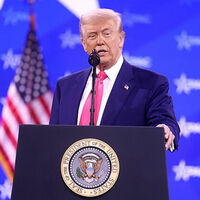
At a July 18 White House signing ceremony, Trump praised the move as a turning point for American leadership in digital finance.
"This signing is a massive validation of your hard work and pioneering spirit," he told crypto executives, lawmakers, and officials in attendance. "It's good for the dollar and it's good for the country."
The new law mandates that stablecoins be fully backed by highly liquid assets like U.S. dollars and short-term Treasury bills. It also requires issuers to publicly disclose their reserves each month — a bid to bolster transparency and trust among banks, retailers, and consumers.
Supporters of the legislation say it provides long-sought legitimacy to the crypto space and paves the way for stablecoins to become a routine tool for everyday payments.
"This technology will help maintain the dollar's role as the global reserve currency," said Treasury Secretary Scott Bessent, adding that it could also expand global access to the dollar economy and fuel demand for U.S. government debt.
The stablecoin market has grown rapidly in recent years and is currently valued at more than US$260 billion, according to CoinGecko. Standard Chartered has estimated that under the new law, that figure could rise to $2 trillion by 2028.
The law is the product of an intense lobbying effort by the cryptocurrency industry, which, according to Federal Election Commission data, contributed over $245 million to the 2024 election cycle in support of pro-crypto candidates, including Trump.
Trump, who launched his own meme coin and owns a crypto company, has made digital assets a key theme of his economic platform.
"I pledged that we would bring back American liberty and leadership and make the United States the crypto capital of the world," he said. "And that's what we've done."
Still, the bill has drawn criticism. Some Democrats and financial watchdogs argue that it should have gone further in curbing the power of big tech firms, closing money-laundering loopholes, and limiting the influence of foreign stablecoin issuers.
"By failing to close known loopholes and protect America's digital dollar infrastructure, Congress has risked making the U.S. financial system a global haven for criminals and adversarial regimes to exploit," said Scott Greytak of Transparency International U.S.
Some major crypto companies like Ripple and Circle are now pursuing banking licenses under the new rules, which could help them reduce costs and broaden adoption.
The move also opens the door to more stablecoin issuers buying short-term Treasury bills, which could boost demand for U.S. government debt.